Everyday Chinatown: Objects and the Stories They Hold
A Storytelling & Art Exhibition by Think!Chinatown
On Display at Think!Chinatown's Studio (1 Pike St, NYC) from February 12, 2026, until May 2026
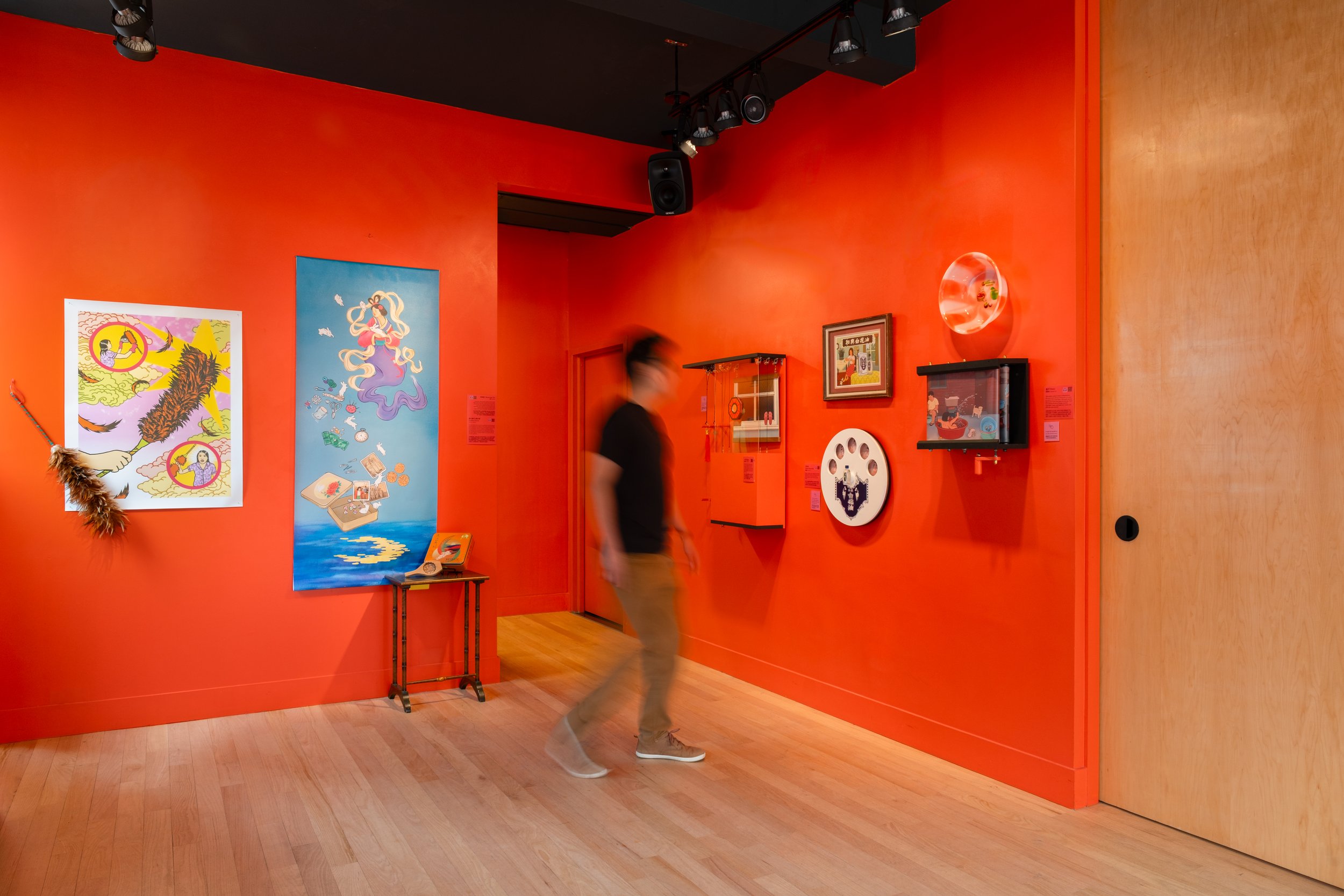
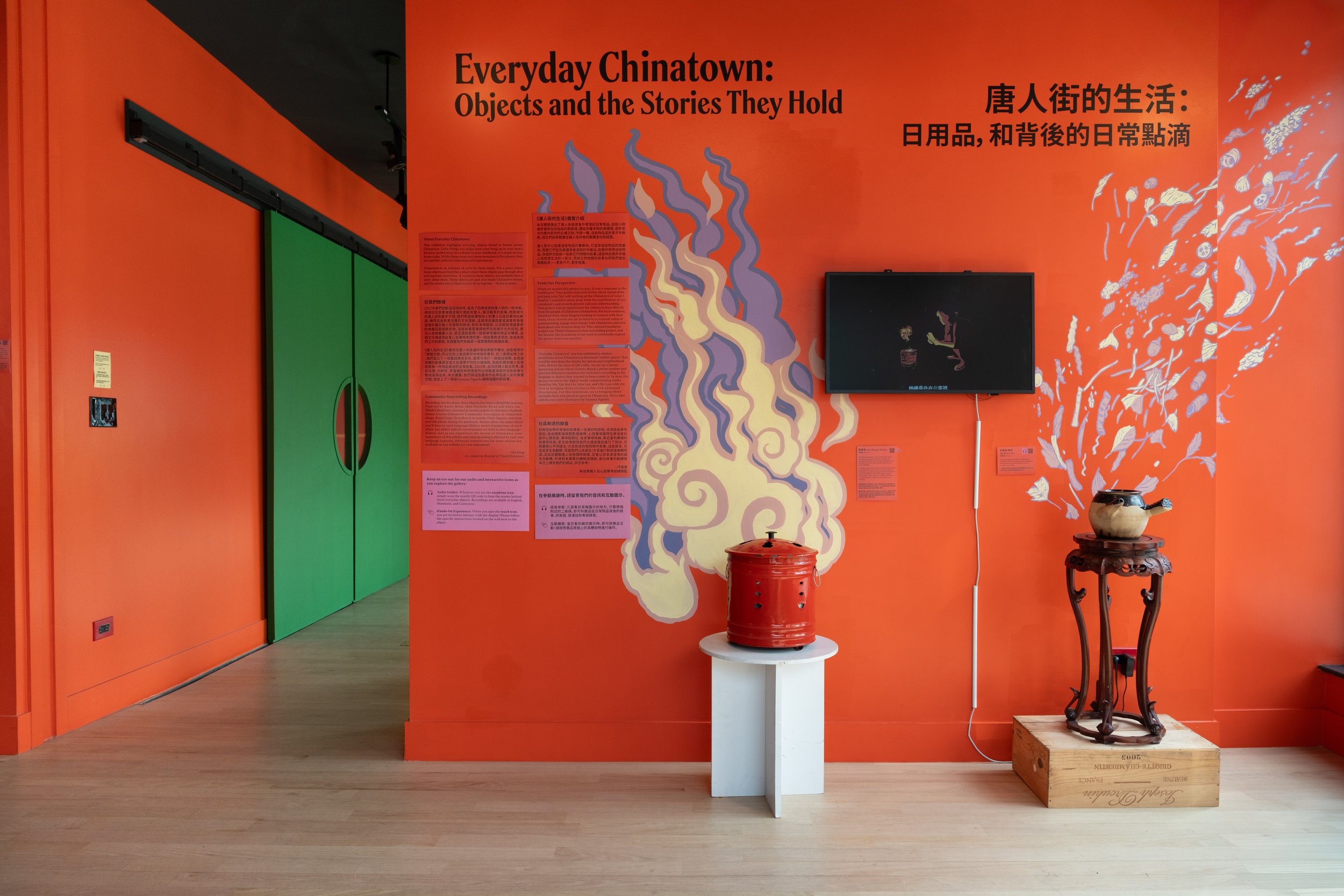
Curated by Yin Kong and Aaron Reiss, this exhibition highlights everyday objects found in homes across Chinatown. Little things you might have seen hung up in your aunt’s kitchen, tucked away in a cabinet in your childhood, or a staple in your home today. While these items may seem mundane at first glance, they tie together collective identities and experiences. Chinatown is an embassy of sorts for these items. Not a place where these objects are from but a place where these objects pass through after arriving from elsewhere. If you know these objects, you probably have a story about them. These objects are part of so many Chinatown homes, and the stories tied to them in turn tie us together — home to home.
First led by Aaron Reiss, then Rochelle Kwan and Alice Liu, Think!Chinatown recorded at senior centers in Hamilton Madison House, Greater Chinatown Community Association, in Chinatown shops, the StoryCorps’ Story Booth in nearby Foley Square, and even over the phone during the pandemic. Stories were recorded in Mandarin, Cantonese, and English, with a whole team of volunteers supporting translations and editing. Artwork by Hui Ma, Xin Mei Liu, John Lee, Lilly Lam, and Nessa Nguyen bringing these everyday stories to life.
So bring your headphones, come by the studio and listen in!
Upcoming Exhibition Events
Think!Chinatown is a place-based intergenerational non-profit in Manhattan’s Chinatown, working at the intersection of storytelling, arts and neighborhood engagement. We believe the process of listening, reflecting and celebrating develops the community cohesion and trust necessary to work on larger neighborhood issues. By building strength from within our neighborhood, we can shape better policies and programs that define our public spaces, celebrate our cultural heritage and innovate how our collective memories are represented.